Leave Your Message
- Phone
- E-mail
- QQ

- Whatsapp
- WeChat

Picking the right Dock Leveler really can make a big difference when it comes to loading and unloading. Jim Anderson, an industry pro over at Universal Dock Solutions, once pointed out that "A good dock leveler is like the unsung hero of warehouse operations." Honestly, that really stuck with me—these pieces of equipment are often overlooked but so vital.
When you're trying to figure out what you need, think about the types of loads you handle and how often you'll be using the dock leveler. A sturdy, reliable system not only boosts efficiency but also keeps things safe. For example, if you’re dealing with heavy pallets pretty much all the time, you’ll want a dock leveler that can handle that kind of pressure without breaking a sweat. And, if you really want to step up your game, adding Dock Leveler Seals can help protect your products from weather and other environmental stuff.
That said, it’s super important to think about your specific setup. Not every dock leveler is going to be a perfect fit right out of the box. Sometimes, you might need to tweak or upgrade things later on. So, take your time to weigh your options—trust me, rushing into it and choosing the wrong one could end up costing you more in the long run, both in terms of safety and productivity.
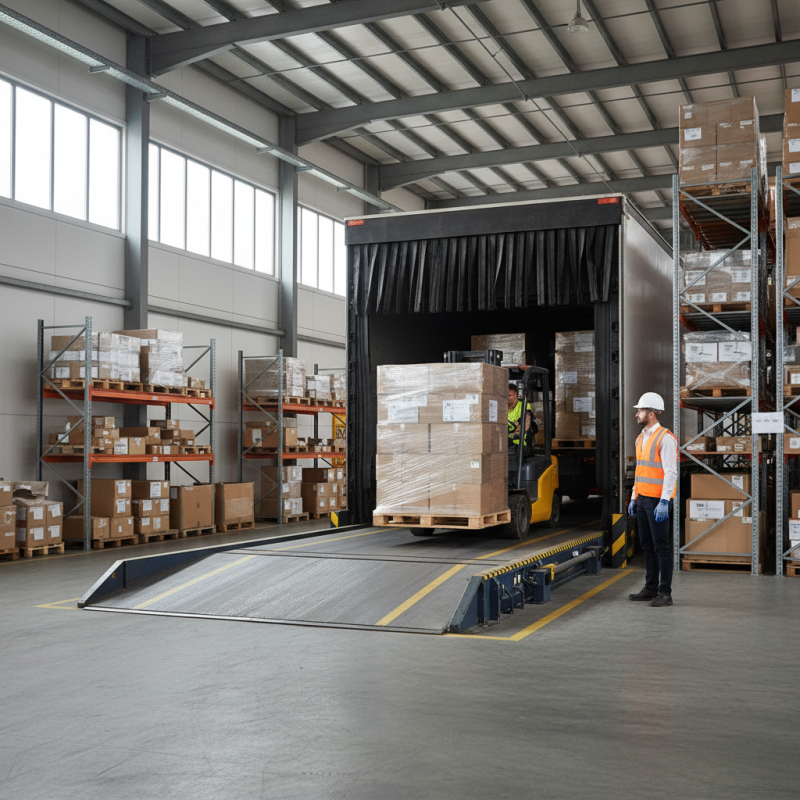
Dock levelers play a crucial role in the logistics of loading and unloading. Understanding the different types available can help in making the best choice. There are several common types of dock levelers: mechanical, hydraulic, and pneumatic. Each has its own unique functions and advantages. Mechanical levelers are often cost-effective and reliable, but may require more physical effort to operate. Hydraulic options offer seamless operation but can be pricier and need occasional maintenance.
Functionality varies greatly between these types. Hydraulic Dock Levelers are ideal for high-frequency operations. They providesmooth transitions and reduce manual strain. On the other hand, pneumatic levelers use air pressure for lifting, making them lightweight and efficient. However, they might not support heavy loads as effectively. Customers often overlook the importance of weight capacity and floor conditions when making a choice. It’s essential to reflect on the specific needs of your operation, as well as the costs involved.
Another thing to consider is the space available. Some levelers require more clearance and might not fit in every dock. This is often a missed point during the selection process. It’s vital to assess dimensions and compatibility. Think about the long-term impacts of your choice. Selecting the right dock leveler can greatly enhance efficiency and safety in your operation.
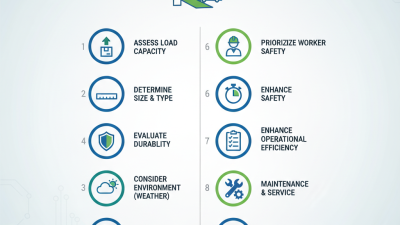
When choosing a dock leveler, several factors come into play. Product capacity is critical. Ensure that the leveler can handle the weight of your loads. The style of the leveler also matters. Options include edge-of-dock, pit-style, and portable models. Each has its strengths and weaknesses based on your operational needs.
Consider the environment. Is it indoor or outdoor? Certain materials perform better in harsh weather. For instance, a Durable Dock Leveler with proper seals can withstand the elements. Additionally, don’t overlook accessories likeDock Leveler Brush Seals. These seals help maintain insulation and protect against debris.
Remember to evaluate the maintenance requirements. Some levelers need regular upkeep. Others may require less frequent attention. It is essential to recognize that a low-maintenance option could save time and resources. Ultimately, the right choice should reflect your operational needs, safety standards, and budget constraints.
Selecting the appropriate dock leveler depends significantly on load capacity needs. According to industry reports, many facilities overlook this crucial aspect. A leveler must support specific weight limits to ensure safety and efficiency. Understanding maximum loads can prevent potential accidents and costly damages. For example, a dock leveler rated for 30,000 pounds will be inadequate for operations that routinely handle loads exceeding that capacity.
Tips: Always assess your daily operations. Consider peak load times and average shipment weights. This assessment can help you choose a dock leveler that won't fail under pressure. Additionally, integrating quality Loading Dock Leveler Seals can protect the equipment and the goods being transported. Proper sealing can prevent debris and water from entering the dock area, ensuring that the leveler and your facility operate smoothly.
Reflection: Many businesses mistakenly underestimate the importance of adequate load capacity. It's not just about the immediate needs. A leveler that falls short can disrupt workflows. Sometimes, purchasing a seemingly adequate model can lead to inefficiencies or equipment failures that impact productivity. A more rigorous evaluation of load capacities will promote better, long-term operational reliability.
| Dock Leveler Type | Load Capacity (lbs) | Platform Size (inches) | Usage Environment | Recommended Applications |
|---|---|---|---|---|
| Mechanical Leveler | 20,000 lbs | 72 x 48 | Indoor | Standard warehouse loading |
| Hydraulic Leveler | 30,000 lbs | 60 x 72 | Indoor/Outdoor | Heavy-duty applications |
| Air-Powered Leveler | 15,000 lbs | 72 x 48 | Indoor | Light to medium loads |
| Portable Leveler | 10,000 lbs | 60 x 48 | Flexible | Temporary loading situations |
| Vertical Leveler | 25,000 lbs | 72 x 54 | Indoor | High-traffic docks |
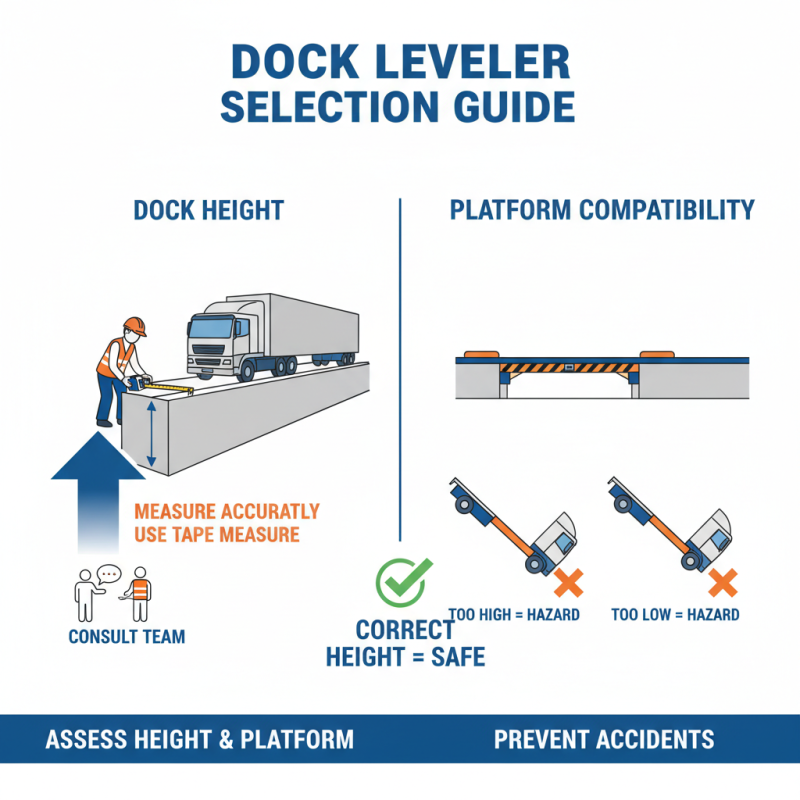
When selecting a dock leveler, assessing dock height and platform compatibility is crucial. Height variations influence the loading process. A leveler that is too high or too low can lead to safety hazards. It’s essential to measure the dock height accurately. Use a tape measure to get precise readings. If you're unsure, consult with your team for a second opinion.
Consider the types of vehicles that will use the dock. Is there a mix of trucks and trailers? The dock height must accommodate them all. Compatibility with different platforms is vital for efficiency. Look for features that allow for easy adjustments. This will save time during operations.
**Tips:** Ensure that the leveler can support the weight of heavy loads. Check the weight capacity before making a purchase. A leveler that cannot handle your needs can lead to serious issues. Regular maintenance checks are also important. Over time, wear and tear can affect performance. Keeping the dock leveler in good condition ensures safety and efficiency.
When selecting a dock leveler, material choice is crucial. Steel and aluminum offer different benefits. Steel is known for its strength. It withstands heavy loads and is commonly used in demanding environments. According to industry reports, steel dock levelers have a longer lifespan under heavy use. However, they are prone to corrosion if not properly maintained.
Aluminum, on the other hand, is lightweight and resistant to rust. It's ideal for environments where weight is a concern. Aluminum dock levelers are easier to install and adjust. They are also less expensive to maintain over time. Reports show that aluminum offers about 30% reduction in maintenance costs compared to steel.
Tips: Consider the working environment carefully. If you operate in a wet or corrosive area, aluminum might be the better option. For heavy industrial uses, steel could serve you well. Don’t forget about Dock Leveler Side Seals. These seals enhance efficiency and protect the dock from dirt and moisture, prolonging the life of your leveler. Always weigh the pros and cons against your specific needs.
When selecting a dock leveler, maintenance and durability are crucial factors. According to recent industry reports, approximately 20% of dock equipment failures stem from inadequate maintenance. Regular inspections and timely repairs can extend the lifespan of your dock leveler significantly. Durable materials, like steel or aluminum, withstand heavy loads and resist corrosion, making them ideal for long-term use. Choose a model designed for heavy-duty applications if your facility handles substantial cargo.
Pay attention to the leveler's moving parts. They require regular lubrication and maintenance check-ups. Lack of attention can lead to malfunction, resulting in costly downtime, which averages around $1,500 per hour for many facilities. Studies show that dock levelers should be tested frequently to ensure proper functionality and safety compliance. While some operators may overlook minor issues, these small problems can escalate quickly if not addressed.
Additionally, consider ease of repairs. Some levelers feature replaceable components, which simplify maintenance tasks. Look for options with easy access points for servicing. A user-friendly design not only saves time but also minimizes the need for specialized tools. In the end, investing in a robust and easily maintainable dock leveler pays off in reduced lifecycle costs.
Choosing the right dock leveler involves financial considerations. A budget-friendly solution doesn’t mean you should sacrifice quality. It’s crucial to assess your warehouse needs first. Consider the volume of daily shipments. Higher traffic may require a more durable leveler, which can cost more.
Look for options designed to last. Some levelers may seem cheaper upfront, but they may need frequent replacements. This can lead to increased costs in the long run. Explore models with features like the Under Dock Leveler Seal. It can improve efficiency and reduce maintenance fees.
Keep in mind installation costs too. Some levelers are easier to install than others, which can save you money. A complicated setup may lead to more labor costs. Regular maintenance is essential as well. A well-maintained dock leveler performs better, saving costs over time. Evaluate warranties and service agreements. This can help in making a financially sound choice.
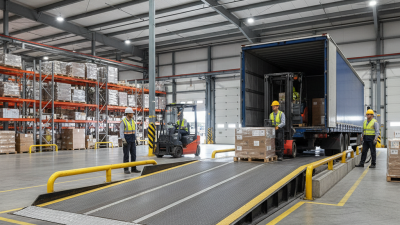
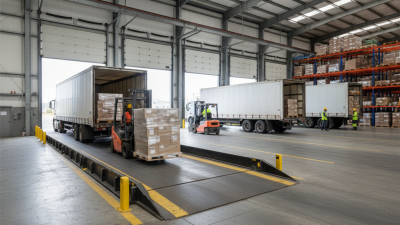
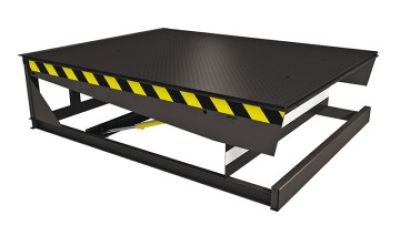
In today's fast-paced logistics environment, enhancing warehouse efficiency is a top priority for businesses aiming to streamline operations. One significant innovation that has emerged is the use of durable black hydraulic dock levelers, which play a crucial role in optimizing loading and unloading processes. These levelers are specifically designed to bridge the height gap between trucks and loading platforms, allowing for seamless transfer of goods. The hydraulic system ensures that the platform is raised with precision, automatically extending a lip plate that securely connects with the truck compartment.
The operation of a hydraulic dock leveler is both efficient and user-friendly. Once the truck backs into position, the platform is elevated to its highest point, allowing the lip plate to effortlessly extend and form a stable connection with the vehicle. As the platform gently lowers, it maintains a secure and reliable connection, enabling rapid and safe loading and unloading of cargo. This functionality not only enhances productivity but also minimizes the risk of workplace accidents, making it an essential asset for any warehouse operation. By investing in high-quality hydraulic dock levelers, companies can achieve improved efficiency and a significant reduction in turnaround times, ultimately driving better customer satisfaction and operational success.
: Activities range from indoor games to outdoor adventures. You can also join workshops.
Some activities have age limits. Always check the specific event details beforehand.
Bring sunscreen, water, and comfortable clothing. Consider extra layers if it's chilly.
Yes, most activities welcome beginners. Instructors will help you get started and improve.
Some events may require a fee. Check the event listing for specific pricing information.
Feedback can be submitted via email or online forms. Consider what worked and what didn’t.
Most events have a cancellation policy. Check the policy to avoid any fees or complications.
Meals are often provided but vary by event. Bringing snacks can be a good backup.
Follow the organization’s website or social media. Sign up for newsletters for timely notifications.
Many events aim to be accessible. Always reach out for specific requirements or concerns.
Choosing the right dock leveler is crucial for efficient loading and unloading operations. This article outlines the different types and functions of dock levelers, helping you understand their importance in ensuring smooth transitions between loading docks and vehicles. Key factors to consider include evaluating load capacity needs, dock height, and compatibility with existing platforms.
Material options, such as steel and aluminum, also play a significant role in the durability and maintenance requirements of dock levelers. Budget considerations are highlighted, emphasizing the importance of finding cost-effective solutions without compromising quality. By taking these factors into account, businesses can select a dock leveler that meets their specific operational requirements and enhances overall productivity.